
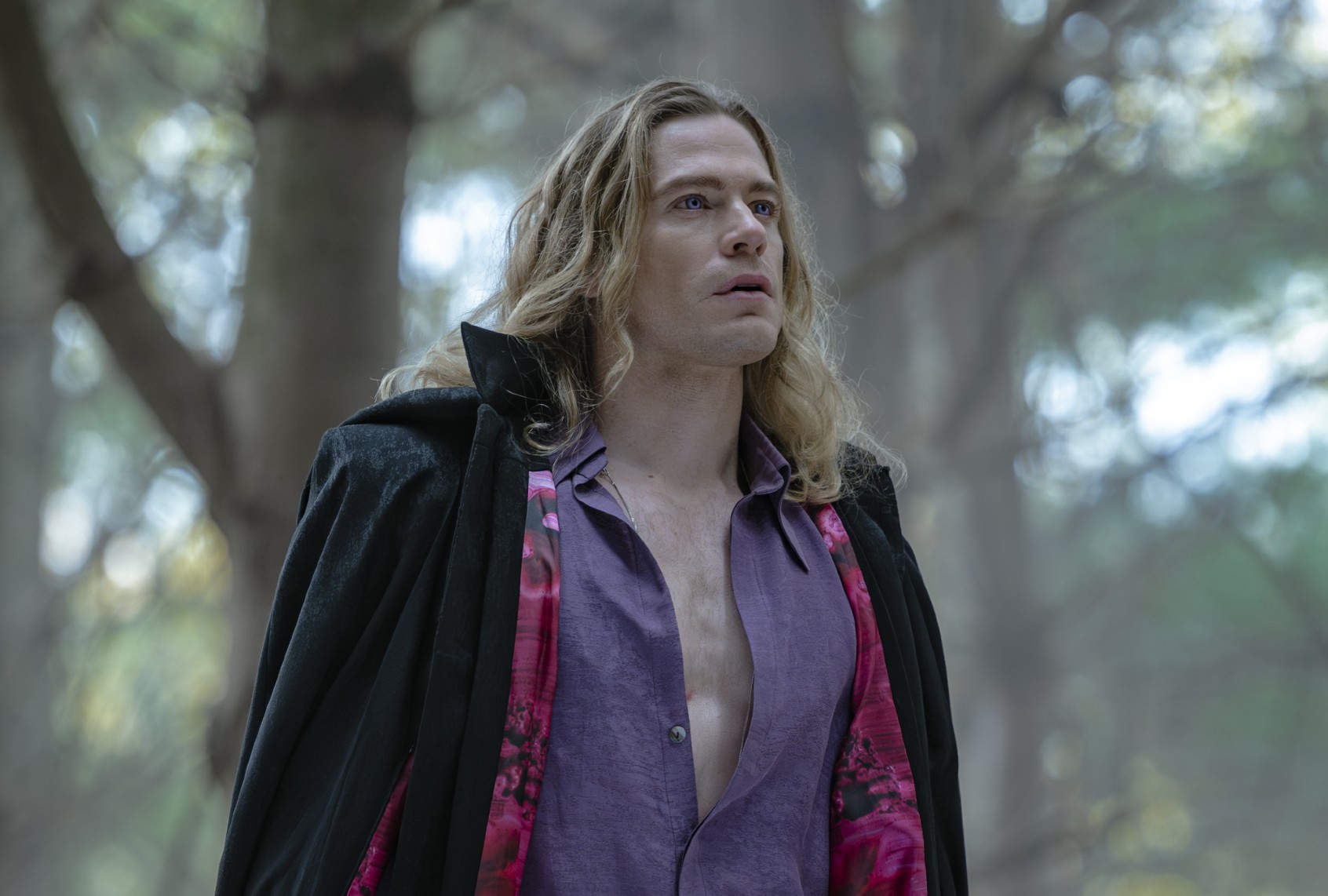
For Lestat de Lioncourt (Sam Reid) — a central character in AMC’s adaptations of Anne Rice‘s “Vampire Chronicles” who, in the third season under his own name, brings centuries’ worth of signature main character energy — the question of whether he was made into a monster or born one is trickier than it would be for other self-obsessed middle-aged men because he was born twice, and both births happened a long long time ago.
Read more The humiliation of Tom Homan
When Lestat is made to reckon with what’s presented as “failures” in both his mortal and immortal lives, he can’t quite own up to being a true monster, because that’s not what he really is. That’s just what he’s been made.
From the first episode of “The Vampire Lestat” up to the emotionally catastrophic (literally) cliffhanger in the season finale, we learn in bits and pieces that both of his makers — Gabriella de Lioncourt (Jennifer Ehle), the mother who gave him mortal life, and the vampire Magnus (Damien Atkins), who birthed Lestat into immortality — put significant effort into both physically and psychologically messing him up to such a degree that he never really had a chance at peace, alive or dead. But we also learn that never stopped him from seeking it out, especially once he had eternity to do so, and even though he didn’t know how to handle it once he got close to it.
In Rice’s 1985 novel, “The Vampire Lestat,” which showrunner Rolin Jones does take creative liberties with, but in ways that still match the general vibe of the source material, Lestat repeatedly describes himself as possessing an irrepressible delight in life long before he became a vampire, which is in contrast to the bleakness of his family.
Describing his father and brothers as resentful, bitter people who ridicule his dreams of becoming an actor and repeatedly try to shame him into accepting a joyless existence, the book’s Lestat clings to beauty beyond the general ugliness of his boyhood home in the Auvergne region of France in the mid-18th century, and he has a love for the finer things, despite his family’s poverty. The show stays true to this, as it also does to the wandering hands of his mother, who, in their sexual assault of her son, threatened to snuff out his natural core goodness, but didn’t quite.
At the end of Lestat’s pre-vampiric life, Magnus does his own damage by kidnapping him, holding him hostage, and then forcing the blood gift upon Lestat against his will. But as we see in the show’s finale, when Lestat is made to reckon with what’s presented as “failures” in both his mortal and immortal lives, he can’t quite own up to being a true monster, because that’s not what he really is. That’s just what he’s been made.
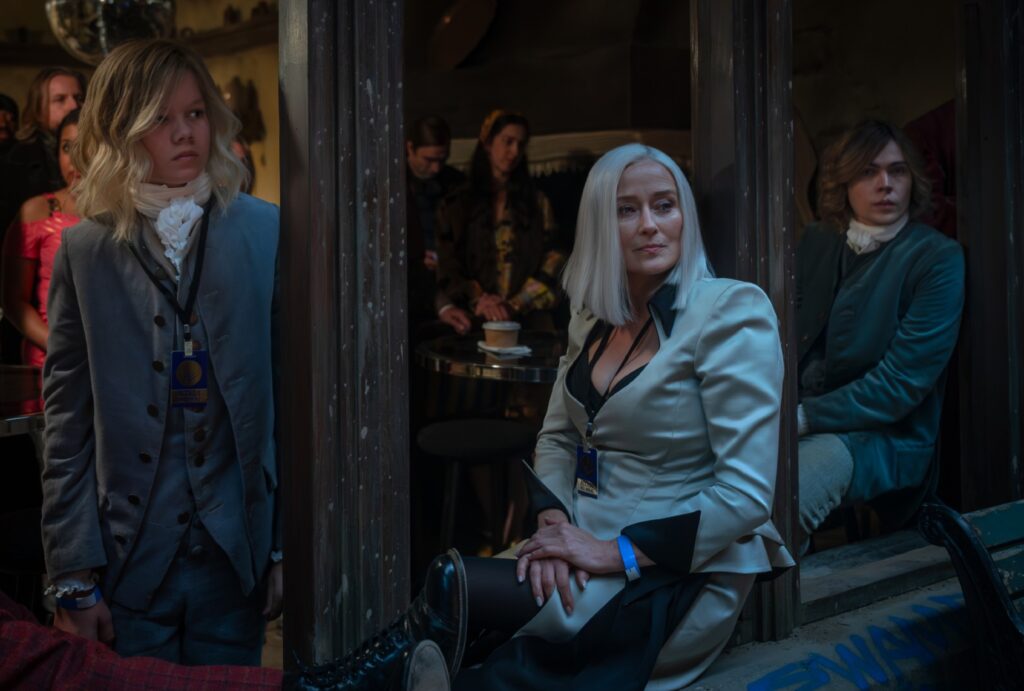
(Sophie Giraud/AMC) Jennifer Ehle as Gabriella, Shepherd Munroe as Young Lestat and Gage Munroe as Young Lestat in “The Vampire Lestat”
In the finale, a grim “This is your life, Lestat de Lioncourt” plays out in an in-between place that is, more likely, all in Lestat’s decapitated head, held in the bowling bag of Daniel Molloy (Eric Bogosian) as the head of the love of both of his lives, Louis de Pointe du Lac (Jacob Anderson), is kept animated in a kosher butcher shop by Armand (Assad Zaman), who accuses him not of failure, but of coldness and refussal to love, which Louis learned from his own family, specifically his father.
As Lestat sits at a long table — his own father’s table, which he used to sit around with his family in his mortal home — he requests that Magnus swap places with his mom at the head of it, and when she does so, she changes in appearance from how she looked as a vampire to how Lestat remembers her looking when he was child; when she wasn’t his progeny and lover, but was just his mom, and his abuser. From here, among other questions, he grapples with which version is worse.
Read more Nothing helps MAGA like Washington snobbery
As the uneasy mix of makers and progeny seated at the long table feast on Lestat’s soul, we see manic, feverish vignettes from Lestat’s mortal and immortal lives; a repeating pattern of seeking beauty, seeking love, and then destroying it or being destroyed by it. He never learned what it was like to have a healthy version of those things as a mortal and, as an immortal, inevitably bunny-squished any of it he found because his vampiric thirst for it overruled the boyish gentleness still deep inside his core.
Throughout the season, Lestat often mentions a traumatic event in his youth where his mom took him to see young witches burned at the stake and, in the finale, we’re shown what he saw that night and learn his mother’s reasoning for taking him there.
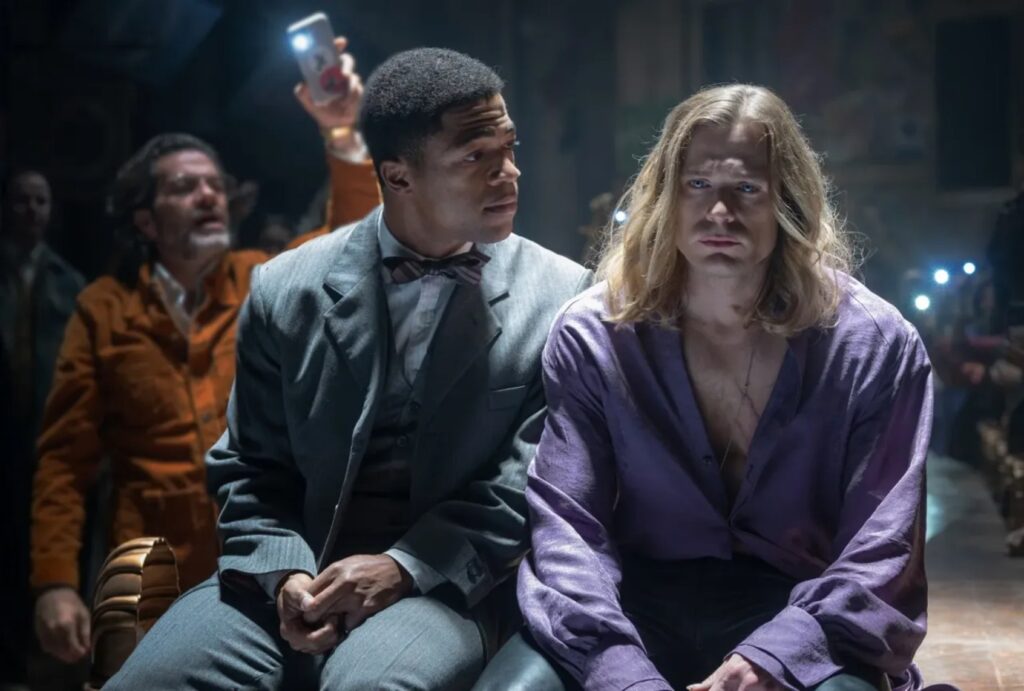
(Sophie Giraud/AMC) Steven G. Norfleet and Sam Reid in “The Vampire Lestat”
Lestat never learned what it was like to have a healthy version of love as a mortal and, as an immortal, inevitably bunny-squished any of it he found because his vampiric thirst for it overruled the boyish gentleness still deep inside his core.
According to Gabriella (Gabrielle in the book, but Rolin Jones wanted to up the Italian of it all), she took her nine-year-old son to see witches burned — one of whom was a playmate of Lestat’s — as a cruel way to force him to leave town. But he stayed home, and by her side, until he was 30, during which time she sexually assaulted him, making it so healthy love would never find him, or much appeal to him, because he had no reference for what that would look like. The nurture, as we see it here, was far, far worse than his nature. And that sort of “caregiving” would repeat itself in his relationship with Magnus and, later, Akasha (Sheila Atim), who, by sharing her ancient vampiric blood with Lestat, tripled his powers and further distanced him from the remnants of his humanity.
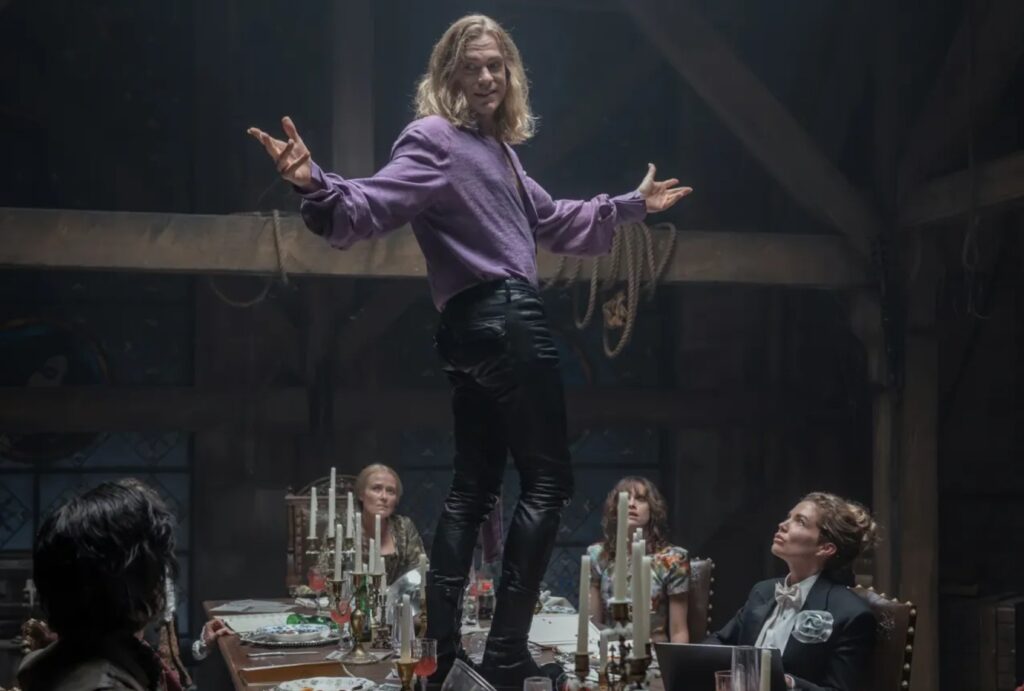
(Sophie Giraud/AMC) Sam Reid in “The Vampire Lestat”
Seeing as though Season 3 of “Interview with the Vampire” is Lestat’s show, name and all, his nature versus nurture journey takes center stage, but Louis, Armand and Claudia (Delainey Hayles) have their own puzzles to piece together in this regard.
None of them had it easy when they were mortal, and while Louis and Armand are at least afforded eternity to balance the truth of who they started out as with the written and rewritten versions of immortality molded by their makers, or whispered to themselves inside their coffins in order to make it through another day, Claudia doesn’t even have that — she’s deader than dead, wandering hell in search of her own brush with love, Madeleine (Roxane Duran), having lost the immortal life she was given by Lestat when he chose to save his lover Louis over her, his progency. Claudia’s version of nurture gone wrong may just have them all beat, but yeah, she didn’t get her own book.
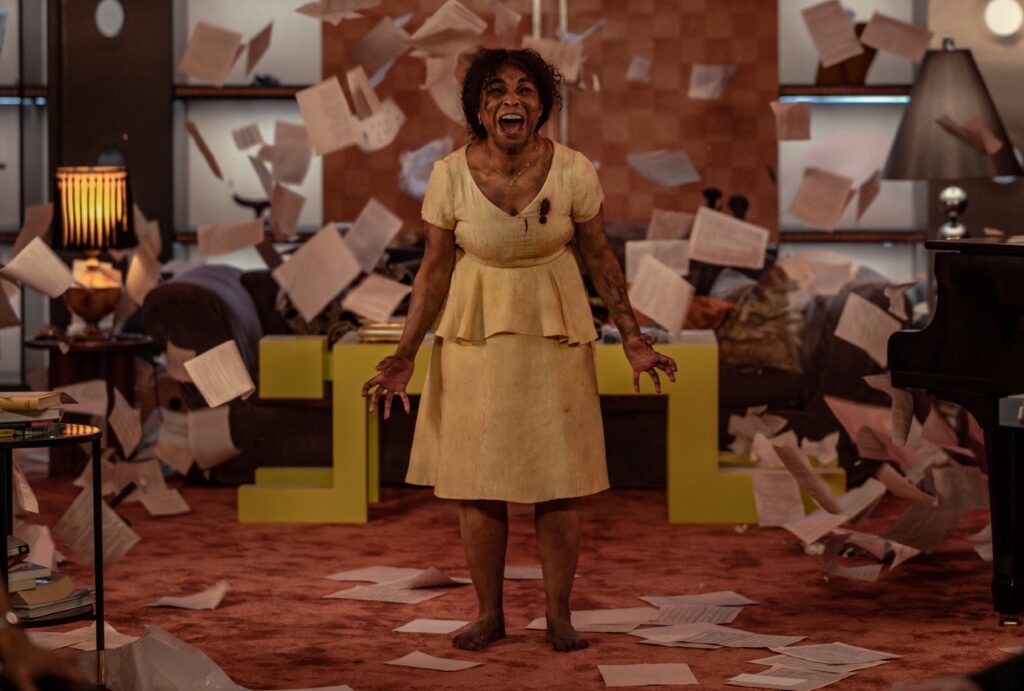
(Sophie Giraud/AMC) Delainey Hayles as Claudia in “The Vampire Lestat”
Monsters though Lestat and his makers and progeny may be, they were all mortal once, and that seed of humanity still exists inside of them or, in Claudia’s case, around them. What that started out as might not look the same now, or in another few centuries, but the thing with nature versus nurture is that the environmental influences and life experiences that impact us don’t actually change us concretely. Real change is blood deep, and once something’s in the blood, it’s ours to do with as we please.
“My blood. I did my best with it,” Lestat says in the finale. And that’s not failure. That’s just human nature.
Read more Trump admin pushes foreign aid grants toward right-wing causes