
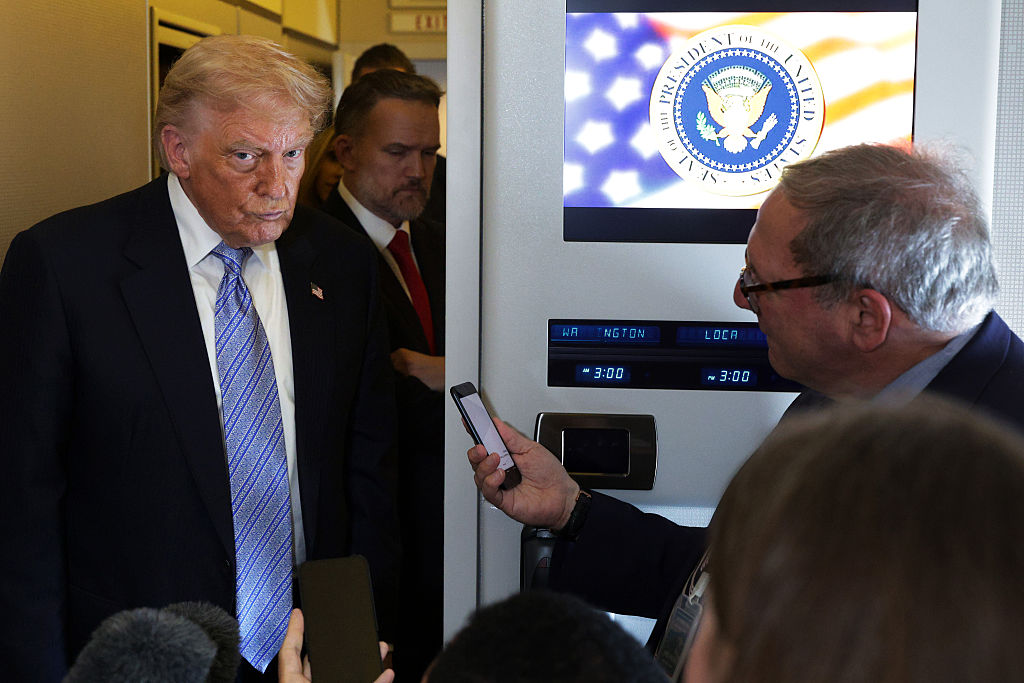
The Trump administration’s fight with the press has moved from public criticism to a legal battle, with multiple New York Times journalists receiving subpoenas connected to the newspaper’s reporting about security concerns involving the new Air Force One.
Read more ICE says agent faced danger in Houston. Witnesses say that’s not what happened
The subpoenas seek testimony from Times reporters who worked on a story examining questions surrounding the security capabilities of the aircraft, which was gifted to President Donald Trump by Qatar. The journalists were reportedly ordered to appear before a federal grand jury.
The administration has argued that it is investigating a possible unauthorized disclosure of sensitive information. The Times, however, has criticized the move as a threat to press freedom and the ability of journalists to report on matters involving national security.
The dispute highlights a longstanding conflict between government secrecy and the public’s right to know.
Officials have a legitimate interest in protecting information about military and presidential security. But journalists have long argued that government officials sometimes use classification rules not only to protect national security, but also to avoid scrutiny of controversial decisions.
Read more We’re mature enough to reconsider “Little House on the Prairie”
That tension has defined some of the most significant First Amendment battles in American history, including disputes over classified documents, confidential sources and government efforts to identify journalists’ sources.
The Air Force One reporting raised questions about whether officials moved too quickly to place a foreign-donated aircraft into presidential service and whether security concerns were fully addressed before the aircraft was used.
The administration’s focus is on who disclosed the information. The broader question raised by press advocates for years is why such information became a matter of public concern in the first place.
The legal battle could become another test of the balance between national security and the role of the press as a government watchdog.
Read more JD Vance book tour undercuts Trump’s midterms message