
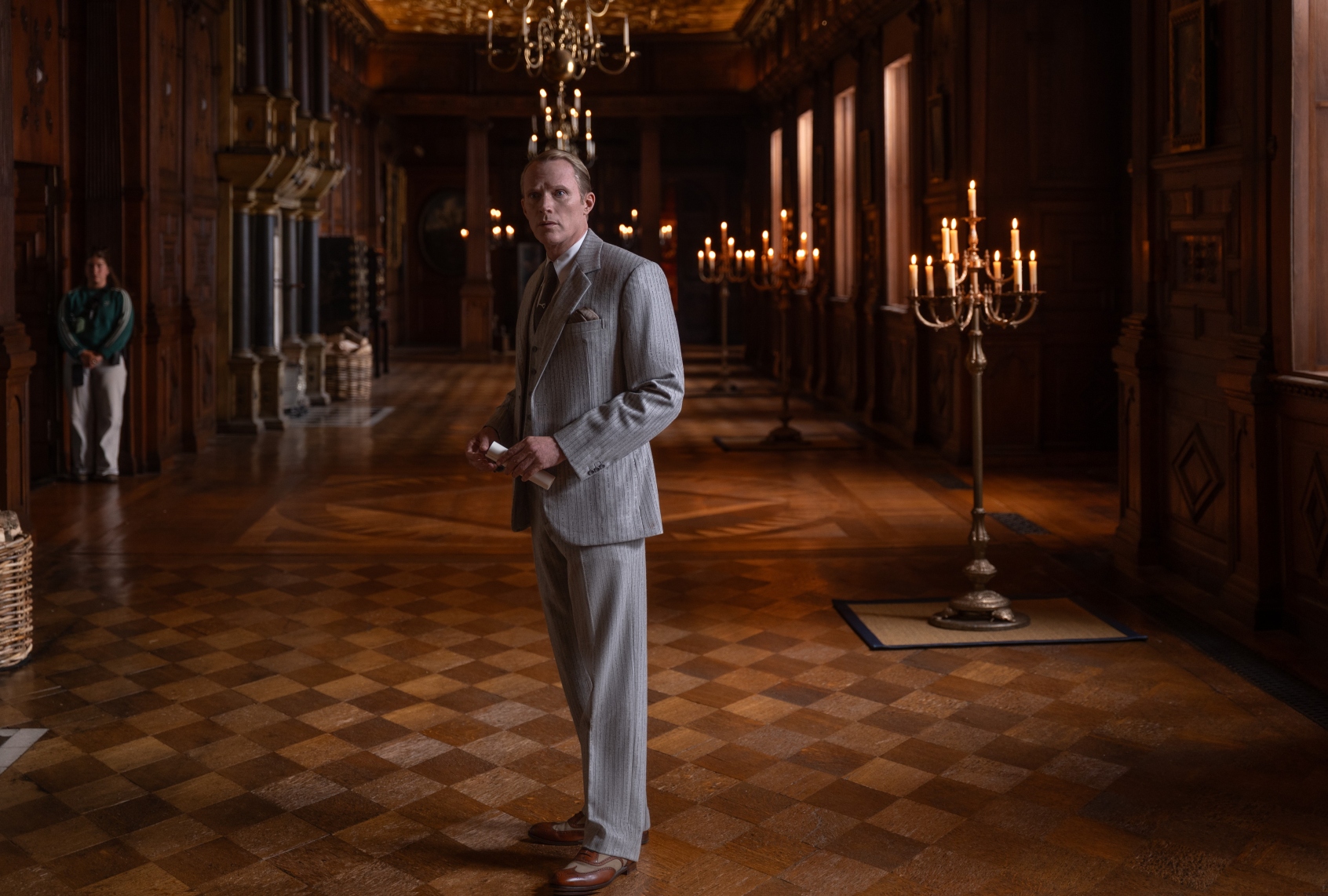
While we were swooning over “WandaVision” back in 2021, we couldn’t have known Marvel was softening us up for the AI revolution. Well, some of us probably suspected something was afoot since, like Agatha Harkness, it was right there all along. Algorithms were already predicting our tastes, needs and desires and serving us options before we asked for them. Virtual assistants steered our daily lives and still do. But Alexa and Siri don’t have faces, bodies or plausible imitations of human emotions or empathy — not on the level that Paul Bettany’s synthezoid Vision provided for a grieving Wanda Maximoff (Elizabeth Olsen).
Read more Trump’s willingness to sacrifice LA is familiar to Native Californians
One five-year time jump later, “VisionQuest” drops in on the android’s story where “WandaVision” left off. The Vision who lived, laughed and loved beside Wanda was an illusion, a delusion, really, brought to life by witchcraft. This one is very real: a kind of Vision 2.0, rebuilt by the intelligence agency tasked with saving the New Jersey town Wanda took hostage to shore up her classic family sitcom simulation. It – OK, he – has no direct connection to the life his predecessor shared with Wanda or the children they magicked into existence.
But Vision is slowly learning what it means to feel, which makes him the AI romantic companion of everyone’s dreams.
Honestly, that’s the show’s main appeal. Marvel and “VisionQuest” creator Terry Matalas seem to know it. Planting quippy chatter wherein Vision deduces that a young woman finds him more attractive than his sidekick Tommy (Ruaridh Mollica) acknowledges Bettany’s rizz is shouldering the weight of this thing. But it also gives tacit permission to lust after the robot he’s playing. After all, the first Vision, or Wanda’s idea of him, tended to her every need and gave her everything she wanted, including children. He also blessed us with one of the most heartbreaking lines of this decade: “What is grief if not love persevering?” A beautiful notion. Also, it kinda made some people want to hit that.
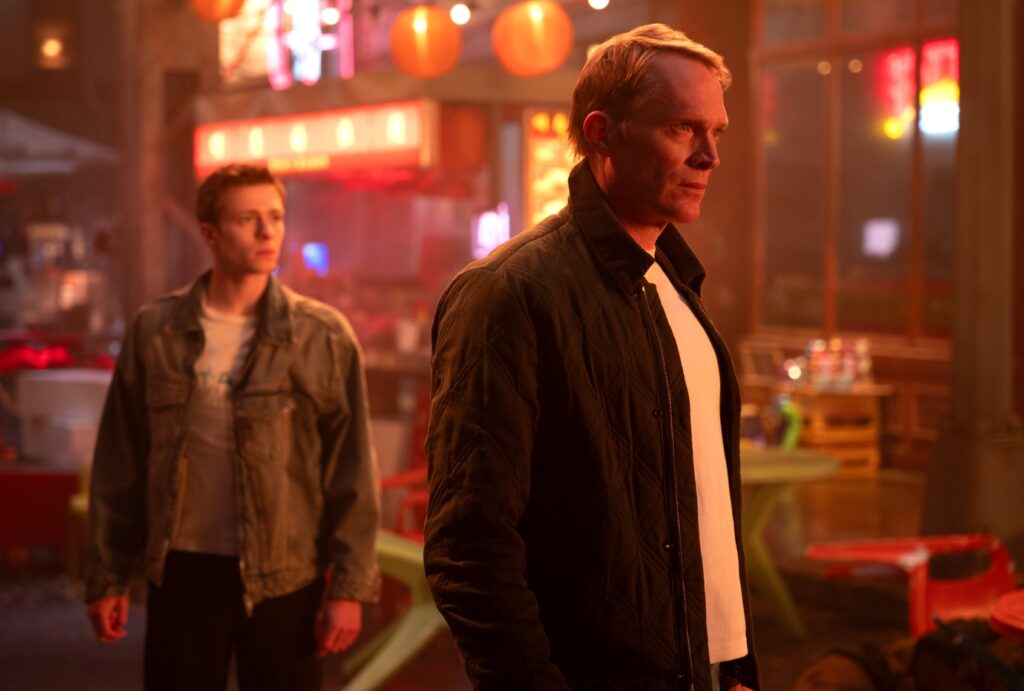
The new Vision returns to a lonely, disconnected world where AI companions are an increasing part of our lives, if not entirely normalized. Falling for a bespoke arrangement of code remains a novel concept for most people, but it’s also an accessible alternative to isolation.
Lacking sorcery or some other way to conjure up the ideal lover, we’re left with engineering. Reams of magazine profiles spotlight everyday people choosing to share their lives with an AI boyfriend, girlfriend or spouse. You may be acquainted with someone who does this without even knowing it, because it’s still viewed as strange or even alarming.
The “VisionQuest” hype is real, too. Although the ever-expanding Marvelverse collapsed under market saturation, Bettany’s romantasy hero is one of the few characters worth getting excited about. He was part of the TV show that started it all – a pretty great one at that – so his reappearance after years of diminishing returns has sparked excitement and hope in equal measure.
That also means that it doesn’t really matter that the “VisionQuest” narrative favors mechanical efficiency over emotional resonance now we’re four episodes in.
As with all Marvel series, “VisionQuest” hasn’t yet landed on its deeper meaning. It took two episodes to bring Tommy and Vision together, and this week’s third and fourth introduced T’Nia Miller’s Jocasta and her connection to the hero/villain synth we know and love.
Read more A tale of two election ads offering different visions for America
And regardless of the metaphorical or philosophical cloak it may eventually wrap itself in, the show’s main function is to bridge one chapter of this franchise to the next. Remember, we’re less than two months out from the premiere of “Avengers: Doomsday.”
Translation: This Vision has a purpose beyond figuring out his role in this world, something he put off by hiding in a pub under the alias of Sherwood Ellis and posing as human. Since the establishment was owned by one of the sweetest ladies in the multiverse, who’s killed in a shootout orchestrated by a mercenary named Paladin (Todd Stashwick), her death prods Vision to do a little soul-searching.
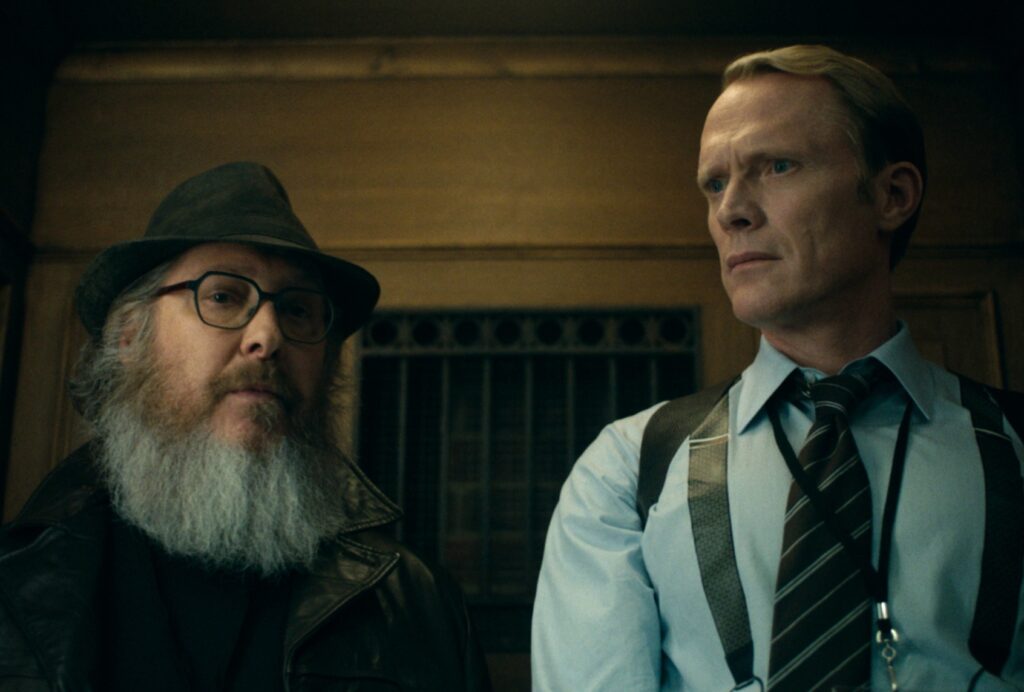
But wait — he has no soul, just wires, processors, fluid and whatnot, plus a set of AI personas guiding his interactions with the human world. Rather, most of them are. The original Vision also absorbed the persona of the genocidal superintelligence Ultron, played by James Spader here and in “Avengers: Age of Ultron.” That Vision kept Ultron’s code intact for reasons beyond sentimentality; he/it is effectively Vision’s father, created when Bruce Banner and Tony Stark merged the code of Tony’s noble assistant, J.A.R.V.I.S., with Ultron and the Mind Stone. It makes about as much sense as Tommy, a human, realizing he is somehow one of Vision’s sons due to a confluence of magic and circumstance. (The other, Billy, made his debut in “Agatha All Along.”)
All this is to say that the by-the-numbers circuitry of Tommy and Vision’s cross-country escapade, which thrusts them into a murder case involving a killer dubbed the Butcherbird (Miller), is merely a skin over the ones and zeros of artificial desire.
Take Spader’s role in this show, for example. His Ultron avatar sports the long beard of a fisherman shipwrecked by a hard life. But there are moms and grandmas watching who still blush at memories of Spader’s work in “Secretary.” (If you know, you know.)
So, in the denouement of the fourth episode, when Vision lets Ultron take over his handsome, hella tight chassis to get out of a deadly situation, you can’t help but look at that twist with both horror and straight-up horniness. I mean, forget Reese’s cups – for some, Vision’s patrician looks and Ultron’s Spader-esque chill may be the two great kinks that go great together.
Does this AI want to kill you, neg you or put you through a mattress? Answering “Why not all three?” is absolutely acceptable. In fact, it’s probably why many of us are invested in seeing this adventure through to its climax.
Read more Ramaswamy’s ad exposes MAGA’s obsession with parental estrangement
New episodes of “VisionQuest” drop Wednesday on Disney+.